
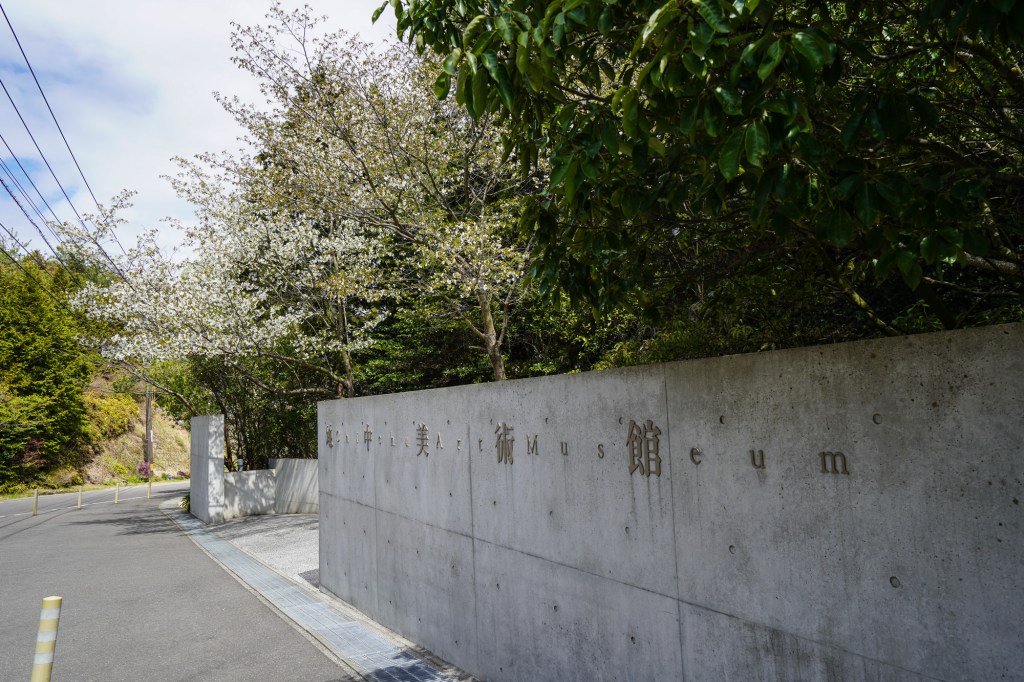
Chichu Art Museum
“Chichu” means “underground,” and the museum lives up to its name: cavernous concrete spaces cut into the mountain, with galleries devoted to Claude Monet, James Turrell, and Walter De Maria. It is an utterly unique environment, windowless save for large openings to the sky above. The museum is mostly lit by nature, so your experience changes based on the season. For example, in the Monet room, a series of the artist’s water lily paintings representing different weather-moods (gloomy overcast, cheerful springtime) are further augmented by the indirect daylight filtering down from above. [Official website]
Naoshima New Museum of Art
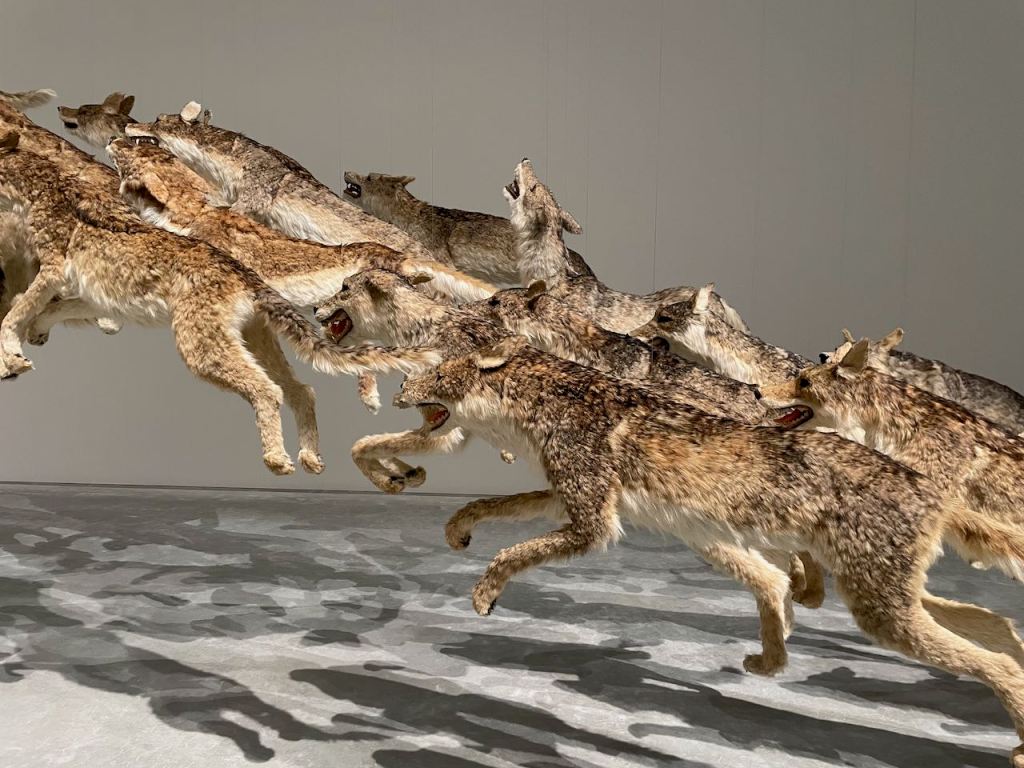
When Naoshima’s newest museum first opened its doors in the spring of 2025, it set the bar even higher for spectacular art and architecture on the island than it already was—which is really saying something. Tadao Ando’s twelfth project sinks two tall stories into the top of a mountaintop, with a third, above-ground story all that’s visible from the village below. Entering the cavernous space, you discover gallery after gallery occupied by bold, large-scale artworks by prominent artists from across Asia. The final gallery, a massive chamber crowned with a band of diffused light, hosts Cai Guo-Qiang’s jaw-dropping Head On (2006), 99 life-sized and very lifelike wolf sculptures hurling themselves at a glass wall. [Official website]
Art House Project
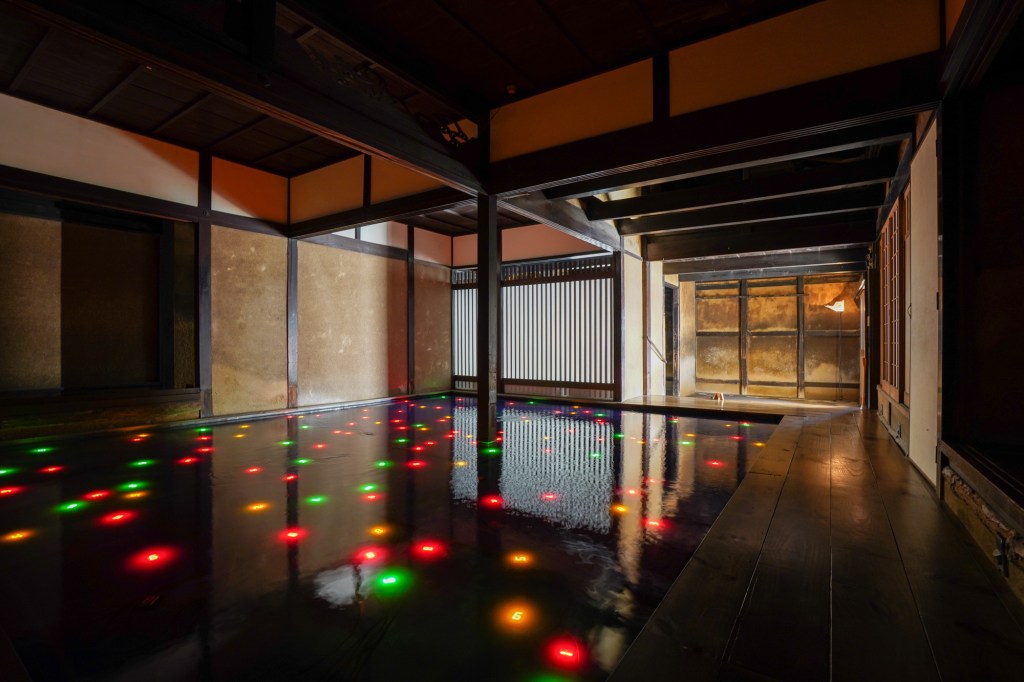
A former dentist’s office, a former wealthy salt merchant’s home, the site of a former temple—once abandoned, now reborn as artwork. Art House Project is a collection of seven traditional houses and religious sites in Honmura that were renovated to marvelous effect by renowned artists and architects. A glass staircase at Go’o shrine descends to a secret cavern underground; a waterfall mural in a former storeroom reflects magically in the lacquered floor; and a James Turrell artwork at Minamidera emerges from the darkness as your eyes slowly adjust. [Official website]
Benesse House Museum
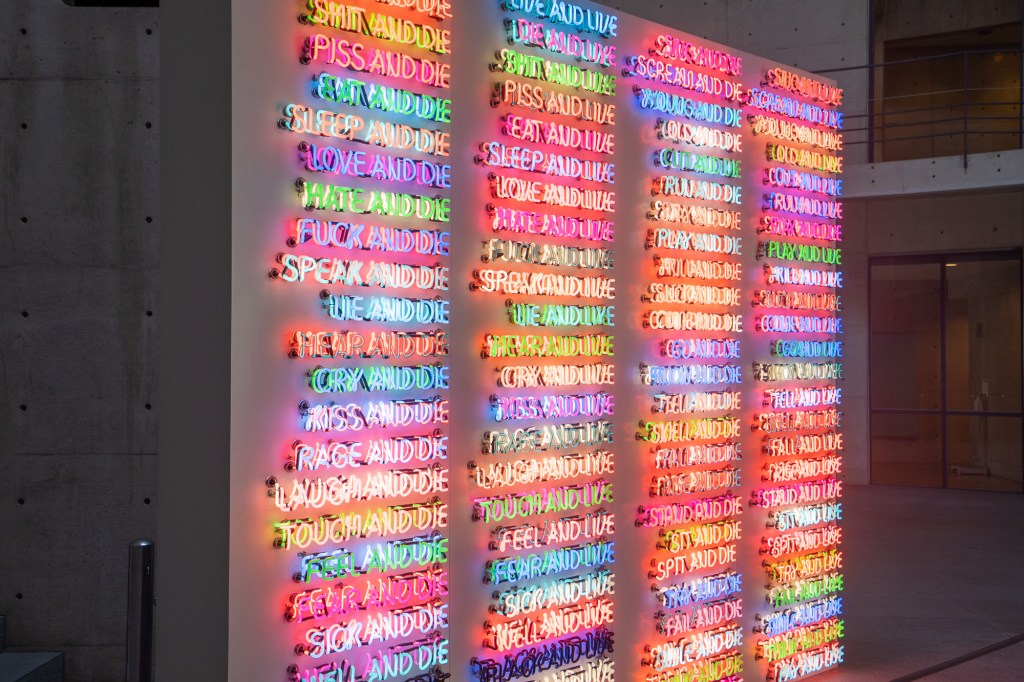
The museum that started it all when it opened in 1992, Benesse House Museum displays a small but dazzling collection of artworks by renowned international and Japanese artists. Permanent features include 100 Live and Die (1984), a monolithic Bruce Naumann neon installation centered within a circular, two-story atrium, as well as several large, site-specific works by Yukinori Yanagi, Richard Long, and Hiroshi Sugimoto. Other artwork in rotation includes paintings by David Hockney, Jean-Michel Basquiat, and Jennifer Bartlett. [Official website]
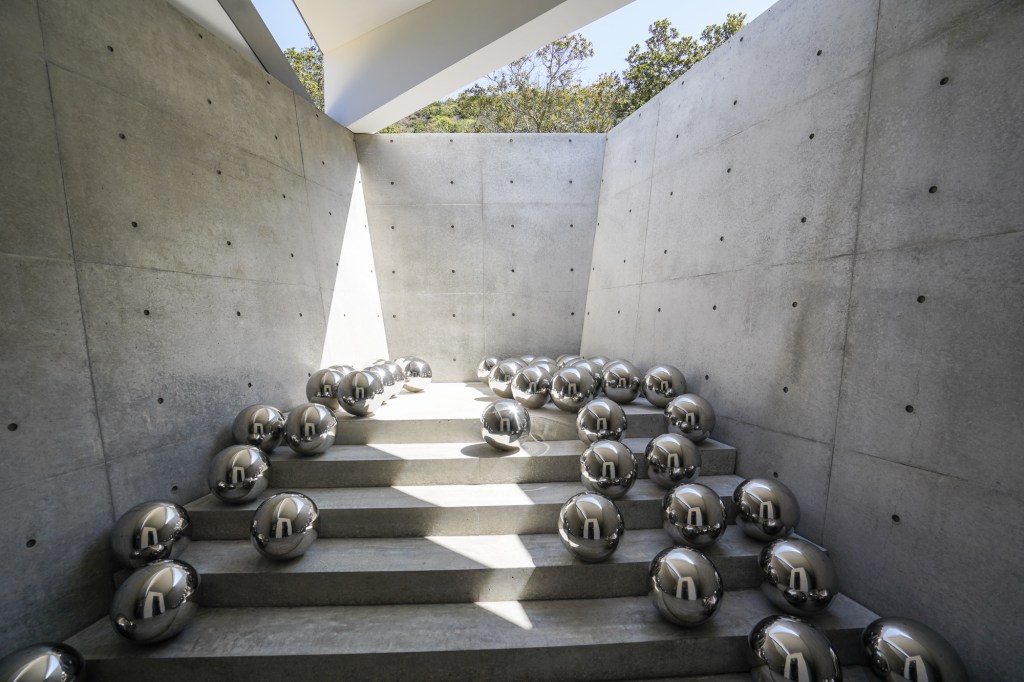
Valley Gallery
Naoshima’s newest gallery opened in 2022. It’s a small Tadao Ando-designed space that is open to the elements, nestled in a valley behind a small pond. Currently its angled walls host Yayoi Kusama’s infamous Narcissus Garden artwork, originally conceived in the 1960s. Hundreds of polished steel spheres not only fill the gallery but spill out onto the surrounding grounds and float whimsically in the pond. Also on display is Tsuyoshi Ozawa’s Slag Buddhas 88 installation, featuring holy figures cast from industrial waste. Admission is complimentary for Benesse House Museum visitors. [Official website]
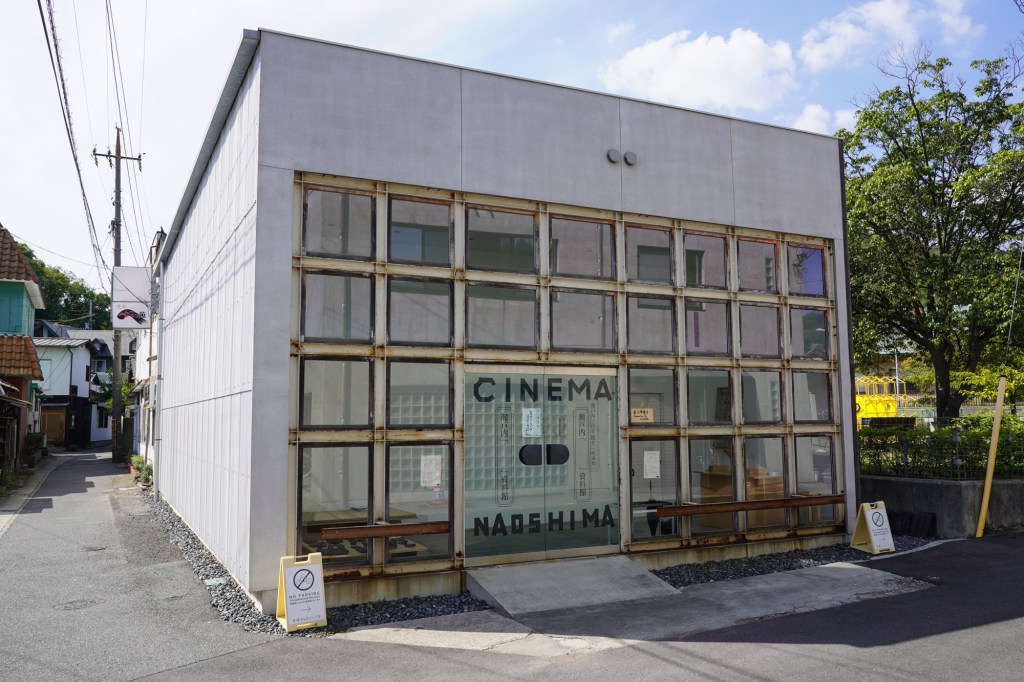
Miyanoura Gallery 6
Formerly the island’s lone pachinko parlor, the vacant space was converted into a gallery by architect Taira Nishizawa, and since 2019 has been the site of an ongoing project by artist Motoyuki Shitamichi. Shitamichi’s project, titled Setouchi “ “ Archive, is a living laboratory and a unique example of socially engaged art on Naoshima. Rotating exhibits document aspects of the region’s history, with past iterations focusing on tourism, industry, and local photographers. [Official website]
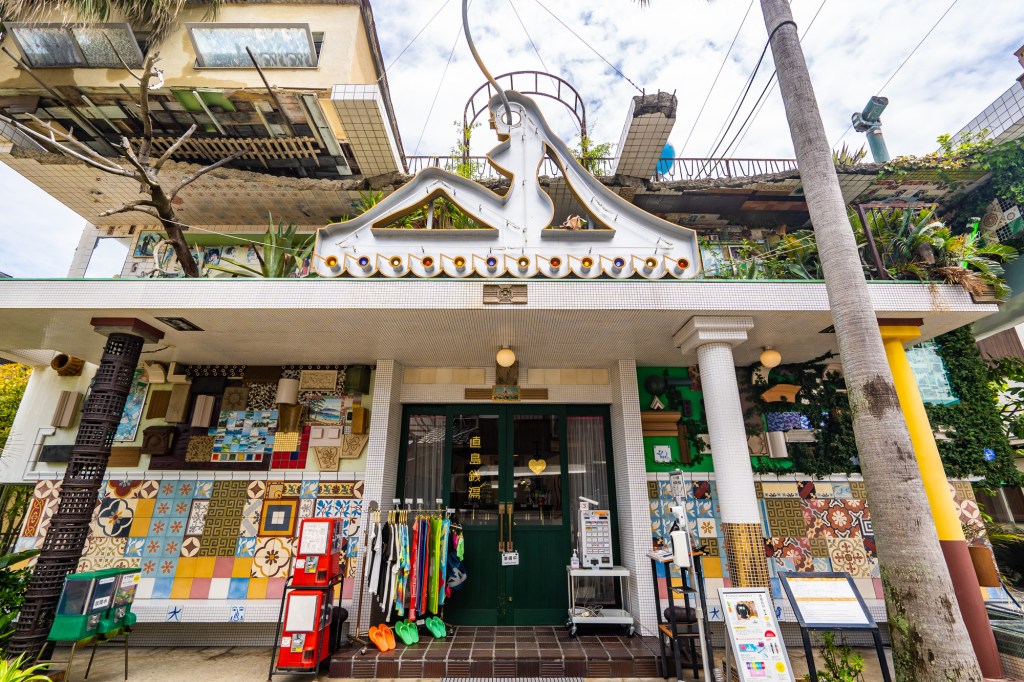
Naoshima Bath “I♥湯”
Take a bath with the locals in one of the weirdest and most-cherished pieces of art in the region. The creation of artist Shinro Ohtake, I♥湯 is a public bathhouse near the island’s main port in Miyanoura. The title for the facility is pronounced “I Love Yu,” with yu the Japanese word for hot water. The building’s exterior is a riot of clashing elements, including entire chunks of other buildings that were brought in and stuck on top of the existing structure. Inside, a large elephant statue peers at bathers beneath a high ceiling painted by the artist. Be sure to brush up on bathing etiquette before you go. [Official website]

Art Island Center
Art Island Center is a gallery, bookshop, and art center in Miyanoura.
The Center also hosts exhibits by Japanese and international artists, photographers, and illustrators. Its shop carries a range of books about art and other topics, as well as stationery and regional gifts. [Official website]
Other points of interest
Other art spots on Naoshima include the Lee Ufan Museum, the Ando Museum, the Hiroshi Sugimoto Gallery, and outdoor artworks across the island including Yayoi Kusama’s red and yellow pumpkins as well as Naoshima Pavilion by architect Sou Fujimoto.
Beyond the big names, there are plenty of homegrown sites of interest. Check out Tofu Gallery, a small gallery across the street from New Olympia restaurant in Miyanoura, where accomplished local painter Tyler Stenlund displays his work. Or pop into the Naoshima town office and see the display of bunraku puppets and photographs of the island’s famed women puppeteers in the lobby (open weekdays).
| ← Last | ↑ This | → Next |
| Introduction to Naoshima | What to do on Naoshima | Other islands near Naoshima |

