
Twenty-four hours a day, every day of the week, a massive furnace on the north end of Naoshima liquifies copper ore, extracting the precious metal inside. This copper production has been at the center of the island’s economy for over a century, since Mitsubishi Materials first built a smelting plant here.
From coins to electric circuits to cookware, copper is everywhere in our lives. It’s so ubiquitous that we rarely contemplate its origins: excavated from the earth, shipped around the world, purified with fire. When ore is smelted, heavy copper sinks to the bottom. The leftover material, mostly iron and glass, is skimmed off and granulated. A giant black mountain of this slag (karami in Japanese) sits on Naoshima’s northern shore, destined for use in sandblasting or concrete. It’s an unglamorous end for what’s regarded as merely a waste material.
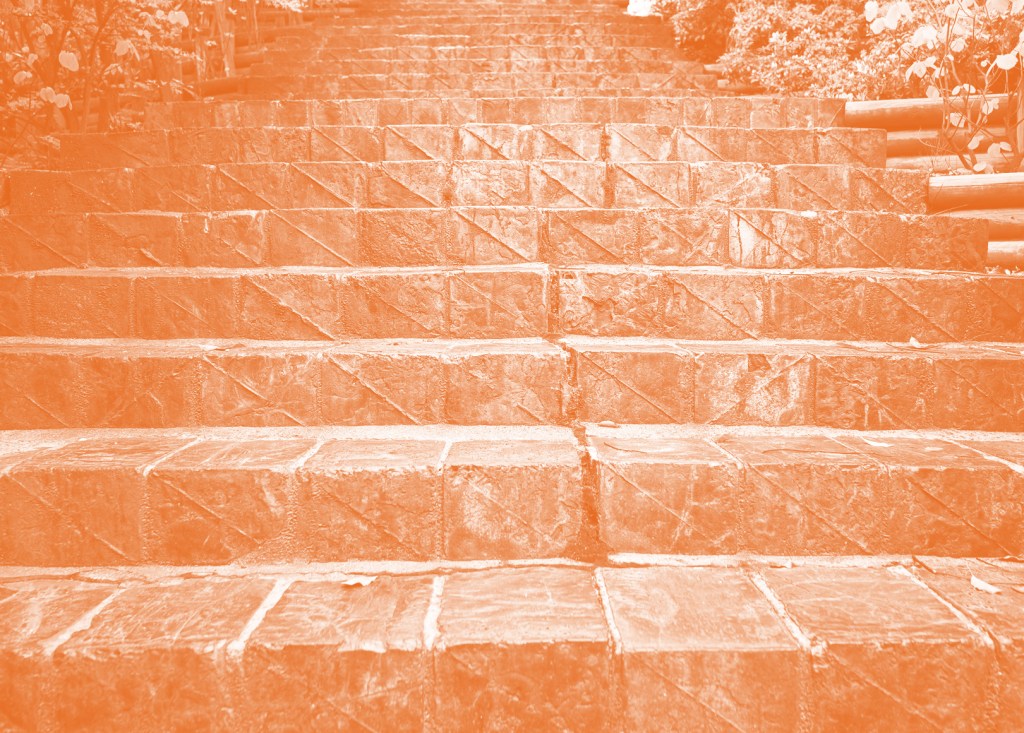
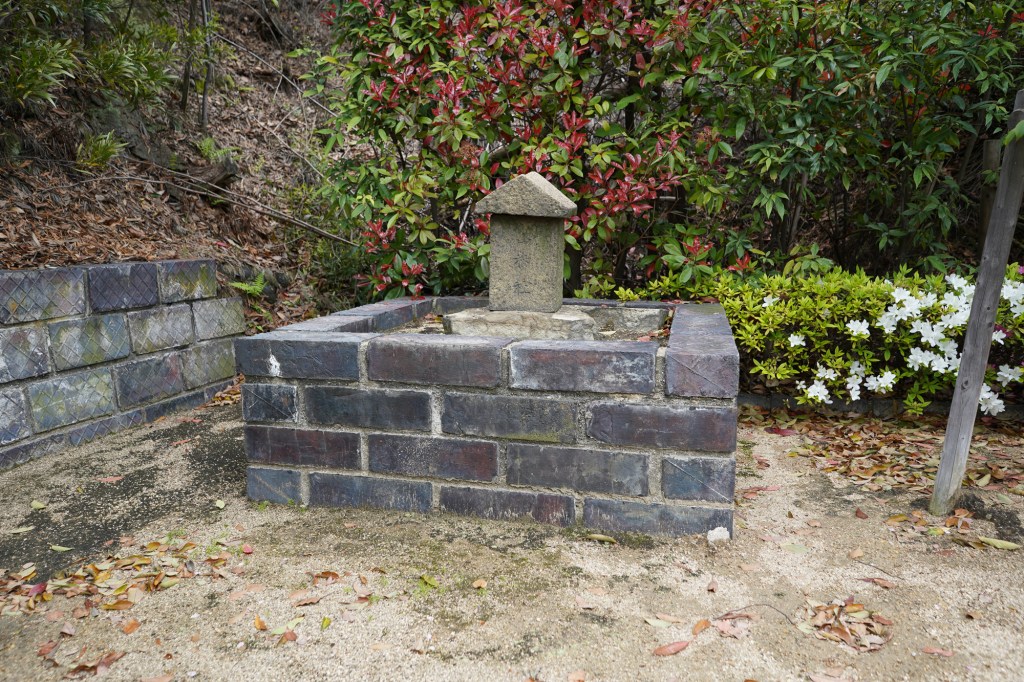
But consider this: for a brief period in the 1950s on Naoshima, liquid karami was molded into various useful shapes and incorporated into the town landscape. It found its way into floors, walls, and roofs—in particular, shoebox-sized blocks became walls, staircases, and the foundations in houses. More than a half-century later, islanders salvage karami blocks from demolished buildings and use them in new projects. The blocks also turn up in more mundane ways, like tarp anchors, stepping stones and garden borders.
Starting in 2020, Naoshima residents Yudai Okamoto, Motoyuki Shitamichi, and I began documenting karami locations on the island on Instagram (@naoshimakarami), eventually producing a paper map for visitors to use to discover this interesting material across the island. Shitamichi, an artist with an ongoing residency at Miyanoura Gallery 6, mounted a Setouchi “Slag Landscape” Archive exhibit in 2022 that explored connections between the Naoshima karami tradition and examples of slag-block architecture across Japan.
In the middle of the project, the team received a message from Simon Langwagen, an expert on European slag block architecture at Dalarnas Museum in Sweden. He shared insights about the history of building with slag, a technique that was introduced to Japan in the 19th century by the European engineers who helped develop Japan’s metal-smelting industry.
To complement Shitamichi’s karami exhibit, I mounted a smaller exhibit of Langwagen’s photographs at Art Island Center, a bookshop in Miyanoura. The impressive images featured centuries-old buildings—a farmhouse, a factory, even a magnificent church—in Sweden and England that were made with slag blocks. Langwagen’s photographs helped reinforce what the Naoshima karami researchers had already begun to appreciate: Far from being a mere waste product, the black bricks on Naoshima are a fascinating part of the island’s cultural heritage.
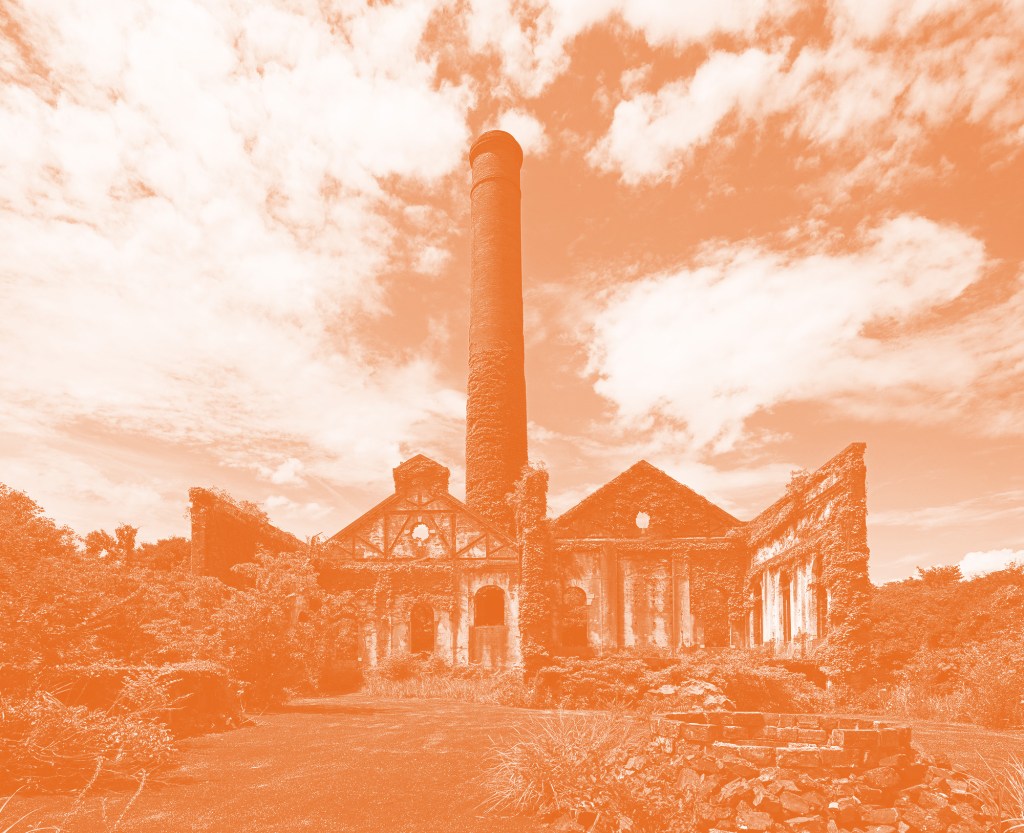
You can see earlier examples of karami blocks on Inujima! They comprise much of the dramatic factory ruins at Inujima Seirensho Art Museum, and are also used inside the museum.




Leave a Reply